@kidpro_india
 KhiladiPro
 @Khiladi-Pro
 kprosport.com
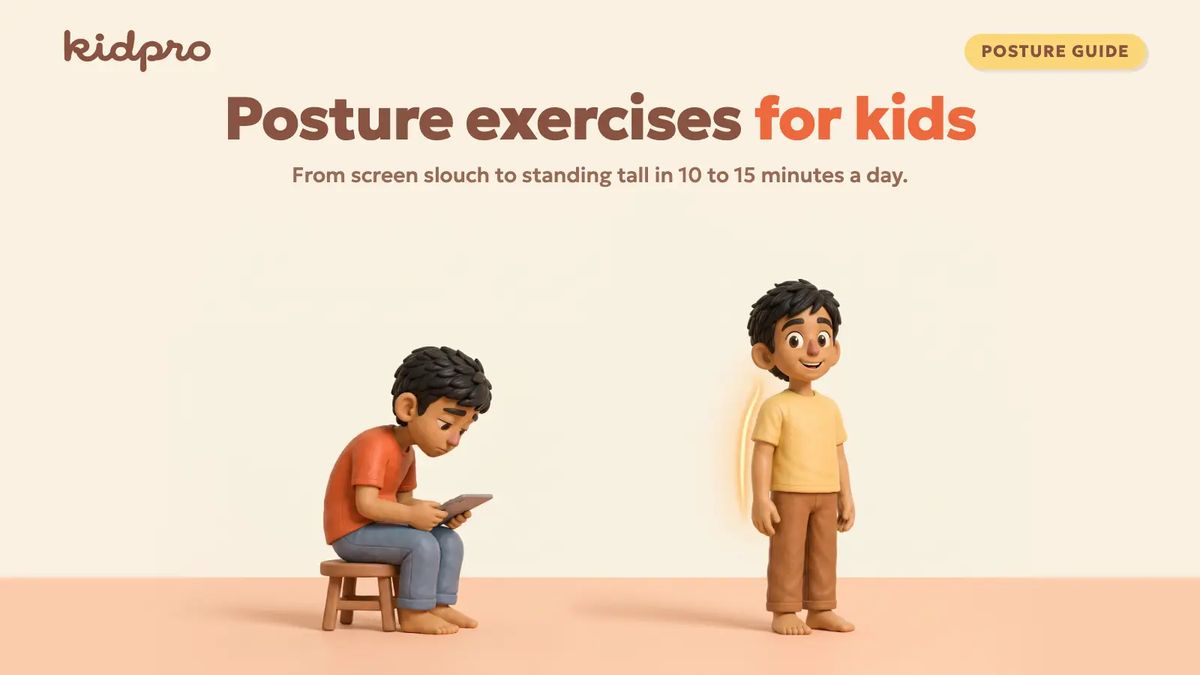
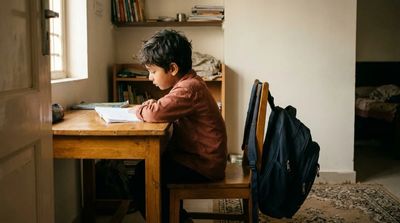
If your child slouches at the dinner table, hunches over a tablet, or stands with rounded shoulders in school photos, you're dealing with a physical development issue, not a discipline problem.
Good posture depends on three things developing together: muscle strength, joint mobility, and balance. None of these improve automatically as a child grows. In fact, because bones often lengthen faster than muscles can strengthen, posture frequently gets worse during growth spurts unless it's actively trained.
At KidPro, our certified coaches run structured online movement sessions for kids ages 4 to 14 every week, and posture correction is one of the top concerns parents raise. Below, we break down why posture matters, the exercises that actually correct it, and how a coached program turns this into something kids stick with.
Why Posture Matters in Kids
1. It Reflects Muscle Strength, Not Just Habit
Posture is held up by specific muscles: the erector spinae along the spine, the deep core known as the transverse abdominis, and the muscles between the shoulder blades called rhomboids and lower trapezius. When these are underdeveloped, telling a child to sit up straight has no lasting effect because the muscles simply cannot hold the position for long. This is why strength based correction outperforms verbal reminders.
2. It Directly Affects Athletic Performance
Running form, jump mechanics, and balance are all built on the same postural foundation. A child with a weak core and rounded upper back will run less efficiently and tire faster. Posture work and athletic training are not separate goals, they overlap significantly.
3. Early Habits Carry Into Adulthood
Postural patterns learned between ages 4 and 14 tend to persist. A child who develops the strength and awareness for proper alignment early is far less likely to develop chronic back or neck strain as a teen or adult.
4. Screen Time Is Accelerating the Problem
Increased hours in seated, forward leaning positions from schoolwork, gaming, and tablets shorten the chest muscles and weaken the back simultaneously, a combination that reliably produces rounded shoulders and forward head posture over time.
5. It Affects Confidence and Perceived Height
Rounded shoulders and a forward head position can make a child appear shorter and less self assured than they are. Correcting posture often produces a visible, immediate change in how a child presents themselves, well before any actual growth occurs.
Best Exercises for Posture Correction in Kids
Each exercise below targets one of the three pillars of posture: strength, mobility, or balance. For best results, combine one from each category into a short daily routine.
1. Superman Hold for Back and Core Strength
How to do it: Lie face down, arms extended forward. Lift arms, chest, and legs off the ground together. Hold 5 to 10 seconds, lower with control. Repeat 8 to 10 times.
Why it works: Strengthens the erector spinae, the muscles that keep the spine from collapsing forward into a slouch.
2. Wall Angels for Shoulder and Upper Back Alignment
How to do it: Stand with your back flat against a wall, elbows bent 90 degrees in a goalpost position. Slide arms up and down slowly, maintaining wall contact. Perform 10 to 12 slow reps.
Why it works: Directly counters tech neck by strengthening the upper back muscles that screen time weakens, while stretching the chest muscles that screen time tightens.
3. Cat Cow Stretch for Spinal Mobility and Awareness
How to do it: Start on hands and knees. Inhale, drop the belly, lift head and tailbone for Cow. Exhale, round the spine, tuck the chin for Cat. Flow for 8 to 10 breaths.
Why it works: Many kids slouch simply because they cannot feel when they are doing it. This builds the body awareness needed to self correct posture in daily life.
4. Bird Dog for Core Stability and Balance How to do it: Start on hands and knees. Extend one arm forward, opposite leg back, simultaneously. Hold 3 to 5 seconds, keeping the back flat. Switch sides. Repeat 6 to 8 times per side.
Why it works: Trains the deep core and lower back to stabilize the spine together, a foundation shared with safe running form.
5. Plank Hold for Deep Core Strength How to do it: Support the body on forearms and toes in a straight line from head to heels. Hold 10 to 20 seconds, building duration with age and ability.
Why it works: A strong core is the anchor for posture in both sitting and standing positions. 6. Chest Opener Stretch for Flexibility
How to do it: Clasp hands behind the back, gently squeeze shoulder blades together. Lift the chest slightly, hold 15 to 20 seconds.
Why it works: Loosens tight chest muscles that pull the shoulders forward from prolonged screen or desk time.
7. Standing Balance Drills for Postural Control
How to do it: Stand on one leg for 15 to 20 seconds, then switch. Progress to a soft or uneven surface for added challenge.
Why it works: Balance and posture rely on the same stabilizing muscles in the spine, hips, and ankles, reinforcing postural control from the ground up.
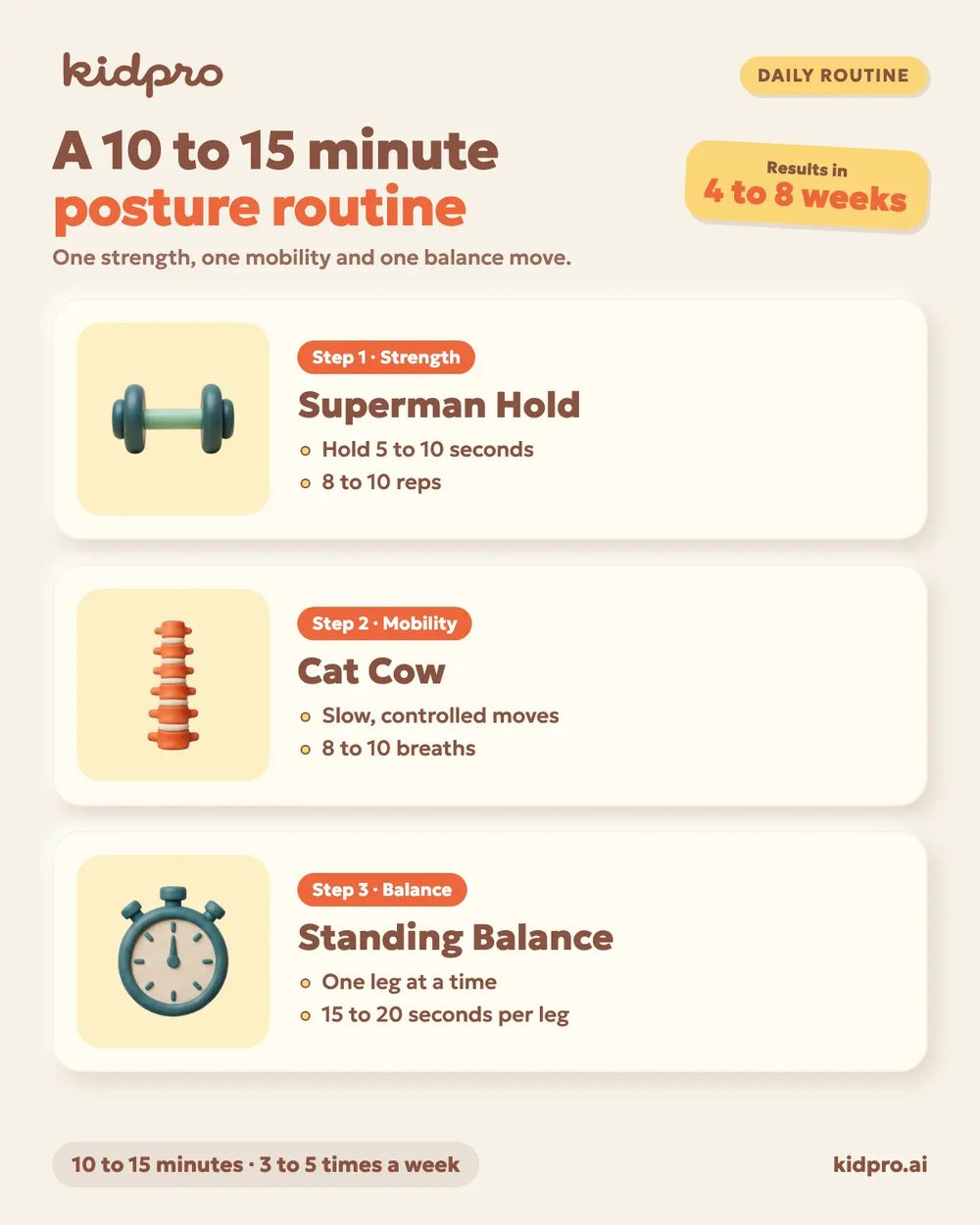
Recommended frequency: 10 to 15 minutes, 3 to 5 times a week, combining one strength move, one mobility move, and one balance drill. Occasional stretching will not correct posture, consistency will.
How KidPro.ai Helps Improve Posture in Kids
Knowing the right exercises is only half the solution. The other half is making sure kids do them correctly and consistently, which is where most at home routines break down. Interest fades, form slips without supervision, or parents simply do not have time to coach technique.
KidPro.ai was built specifically to solve this, through structured, professionally guided online sessions for kids ages 4 to 14.
Certified Coaches Who Understand Child Development
Sessions are led by certified professionals specializing in child fitness and development, not generic personal trainers. Our coaches adjust exercises based on how a 6 year old's body differs from a 12 year old's, ensuring movements are safe, age appropriate, and effective.
A Complete Movement Program, Not an Isolated Fix
Posture is connected to overall strength and coordination. KidPro.ai sessions build upper and lower body strength as the muscular base posture depends on, balance for postural control and coordination, jump explosiveness that reinforces core and lower body strength, and postural correction through targeted drills taught with proper form and real time feedback.
Interactive Group and One on One Sessions
Some children thrive in the energy of group classes, others need the focused attention of one on one coaching for form specific correction. KidPro.ai offers both, so families can choose what fits their child.
Fitness Kids Actually Want to Do
Children do not stick with exercises because they are good for them, they stick with what is fun. Our coaches turn posture and strength drills into games and challenges, solving the biggest obstacle in home based correction, consistency through genuine enjoyment.
Built for Consistency
Because sessions are online, families can maintain a weekly routine without added travel time, and consistency is the single biggest factor in correcting a child's posture.
Conclusion
Good posture in kids comes from strength, mobility, and balance working together, not reminders to stand up straight. Exercises like the Superman Hold, Wall Angels, Cat Cow, Bird Dog, and Plank Holds target the exact muscles responsible for an upright frame, and done consistently, produce visible results within weeks.
But consistency and correct form are hard to maintain alone. KidPro.ai pairs certified child development expertise with fun, interactive online sessions, group or one on one, to help kids build posture habits that last a lifetime.
Ready to help your child stand taller and move with confidence? Book a session with a certified KidPro.ai coach today.
Frequently Asked Questions
How to improve posture in kids?
Combine strength exercises such as the Superman Hold and Plank, mobility work such as Cat Cow, and balance drills, done 3 to 5 times a week. Verbal reminders alone do not work because posture is a strength and awareness issue, not a habit issue.
What is the best exercise for posture correction in children?
No single exercise fixes posture. Effective correction combines back and core strengthening such as the Superman Hold, Plank, and Bird Dog, shoulder mobility such as Wall Angels, and spinal mobility such as Cat Cow, addressing strength, flexibility, and awareness together.
How to fix bad posture in a child at home?
Start with 10 to 15 minutes of targeted exercises every other day, prioritize correct form over reps, and pair with active play. If progress stalls or posture looks asymmetrical, a certified program like KidPro.ai can help correct technique and maintain consistency.
At what age should posture correction exercises start?
As early as age 4, using playful versions such as superhero flying instead of formal Superman Holds. Exercises can become more structured as children grow.
Can online sessions really help with something as physical as posture correction?
Yes. With a certified coach providing real time form correction during live sessions, online programs like KidPro.ai can be as effective as in person coaching, with added convenience for busy families.
How long does it take to see improvement in a child's posture?
With a consistent routine of 3 to 5 times weekly, many parents notice visible improvement in sitting and standing posture within 4 to 8 weeks.