@kidpro_india
 KhiladiPro
 @Khiladi-Pro
 kprosport.com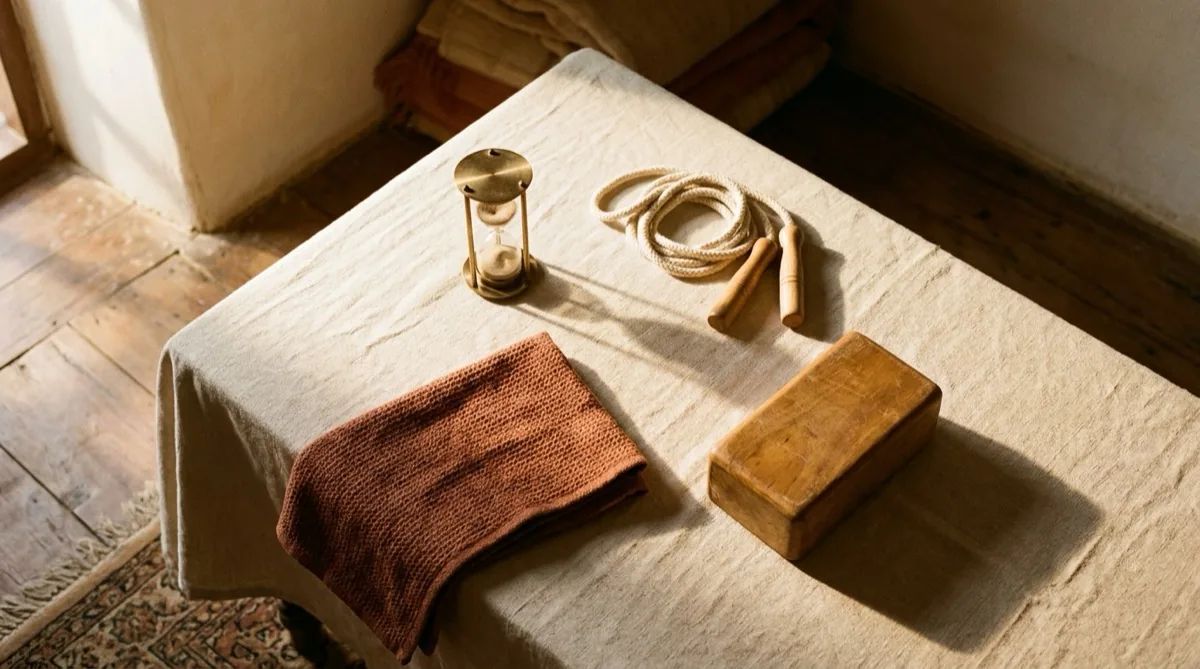
Two families, same total minutes. One sends their child to a ninety-minute academy session on Saturday plus a half-hour kickabout on Sunday. The other does twenty minutes, five weekday evenings, at home.
Both are at two hours a week. After six months they do not have comparable children, and the gap is not small. The second child is measurably better coordinated, and — this matters more — still doing it.
Three reasons, in order of how much they explain.
Skills consolidate between sessions, not during them
A motor skill is learnt during practice and consolidated afterwards, largely during sleep. Each night after a practice session, the movement pattern is rehearsed and stabilised offline. That is why you can be worse at something at the end of a long session than you were in the middle, and better the next morning without having touched it.
Five sessions a week means five consolidation cycles. One session a week means one. The total minutes are identical and the number of times the brain gets to file the pattern away differs by five times.
You are not paying for the minutes. You are paying for the number of nights that follow them.
This is also why cramming does not work for movement any more than it works for a spelling test. A ninety-minute block past about the forty-minute mark is largely fatigue practice — the child is rehearsing the tired version of the movement, which is the version with the collapsed knee and the dropped chest.
Short and frequent survives contact with real life
The second reason is duller and probably more decisive.
A ninety-minute Saturday class has a travel cost, a fixed slot, and a single point of failure. Rain, a wedding, a fever, a parent's meeting, exam week — any of these removes the entire week's activity. Over a term, most families lose six to ten of those sessions. The plan assumed twenty-six and delivered seventeen.
Twenty minutes at home has almost no failure modes. A bad day costs you one-fifth of the week, not all of it, and the recovery is automatic — there is another one tomorrow.
Habits also form on frequency, not duration. A thing done five times a week becomes part of the shape of a day within about a month. A thing done once a week stays an event, and events get rescheduled.
Children under ten do not have a ninety-minute attention span
The third reason is simply developmental. Focused, corrected, effortful practice in a seven-year-old has a ceiling somewhere around twenty-five to thirty-five minutes. Past that they are present but not learning.
A well-run ninety-minute children's session knows this and spends the back half on games, which is genuinely valuable — but it is play, not skill acquisition, and it should not be counted as such when you are comparing formats.
What twenty minutes should actually contain
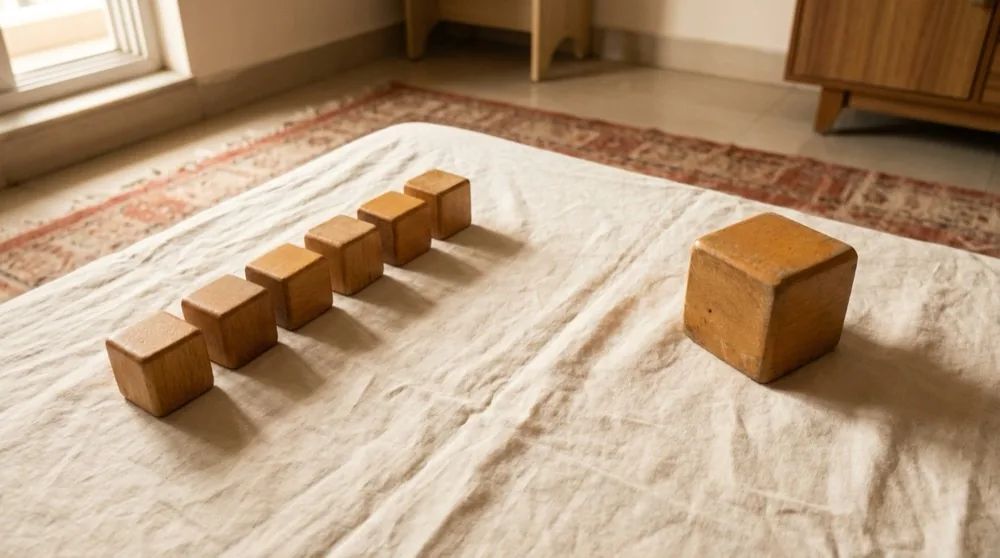
Not twenty minutes of running around. The structure that works:
- Two minutes — wake up. Ankles, hips, shoulders. Joints through their range.
- Six minutes — one skill. One, not five. Landing, or hopping, or catching. Same skill for the whole week; change it next week.
- Eight minutes — strength through range. Bodyweight squats, bear crawls, prone holds, single-leg work.
- Three minutes — a game. Something with a rule and a score, so the session ends on a win rather than on effort.
- One minute — down. Breathing, lying flat. This is the part everyone skips and the part that makes the next session easier to start.
So should you drop the weekend class?
No — and this is the part that gets lost in the framing.
The two formats do different jobs. The daily twenty minutes builds the athlete: the movement vocabulary, the strength, the habit. The weekend class builds the player: the sport itself, the teammates, the pressure of a real game, the coach who knows their name in a physical room.
A child who does both is comprehensively better served than a child doing either. If you can only do one, do the frequent one first — because a child with fundamentals will get more out of a sport when they eventually start it than a child who has been playing a sport for a year without them.
KidPRO's live sessions run forty-five minutes, two or three times a week, for ages 4-12 — built to sit alongside whatever sport your child already plays rather than to replace it.